Why Inclusive Photography Is More Than a Checkbox
Highlights:
Why inclusion in photography goes far beyond representation or marketing language
How inclusive practices shape client safety, comfort, and trust
The impact of forms, language, and assumptions on marginalized clients
What ethical, non-performative inclusion actually looks like in practice
How photographers can build portfolios and businesses rooted in care, not checklists
Read Time: 6 minutes
Topics: Inclusive Photography, Queer-Affirming Business Practices, Ethical Marketing, Client Experience, Representation in the Wedding Industry
Inclusive photography is often talked about like a task to complete.
Add a line to your website.
Share a diversity statement.
Post a photo that signals you’re “safe.”
And while visibility matters, inclusion was never meant to stop there.
True inclusivity in photography isn’t about optics. It’s about experience. It’s about how people feel before, during, and after they step in front of your camera. It’s about the systems you build, the language you use, and the assumptions you’re willing to unlearn.
Because for many people, especially queer, trans, disabled, plus-size, neurodivergent, or marginalized clients, working with any photographer has historically come with risk.
Inclusion Starts Before the Camera Ever Comes Out
Phoenix elopements are especially appealing for clients who have been excluded or harmed in professional spaces before; the decision to book a photographer is rarely casual.
They’re asking themselves questions like:
Will I be respected here?
Will I be misgendered, corrected, or made to feel awkward?
Will my body be treated as a “problem” to pose around?
Will I have to explain myself?
If your booking process, website copy, intake forms, or emails assume one type of couple, one type of body, or one type of experience, people notice. And often, they quietly opt out. Inclusive photography starts with removing friction:
Forms that don’t assume gender or relationship roles
Language that doesn’t default to “bride and groom.” ( I like to use either the phrasing ‘you and your love’ or ‘partner 1 and partner 2’
Clear signals that all identities and bodies are welcome without needing justification
These choices don’t just make your business more inclusive, they make it more human.
Safety Is Part of the Service
Inclusion isn’t only about representation. It’s also about safety.
For some clients, especially LGBTQ+ couples or people of color, location choice, timing, and public visibility matter deeply. Especially with the current state of the world, a “dreamy open field” or “remote outdoor spot” can feel very different depending on who you are and how you move through the world.
Inclusive photographers think ahead:
Is this location accessible?
Is this area known to be safe?
Are there alternatives if a client feels uncomfortable?
Have I created space for clients to name boundaries without feeling difficult?
Safety planning isn’t overkill. It’s care.
And when clients feel cared for, they show up more fully as themselves, which always leads to better photos.
Posing Is Never Neutral
Traditional posing guidance has often been built around:
Thin bodies
Cisgender couples
Heteronormative dynamics
Gendered expectations of softness vs. strength
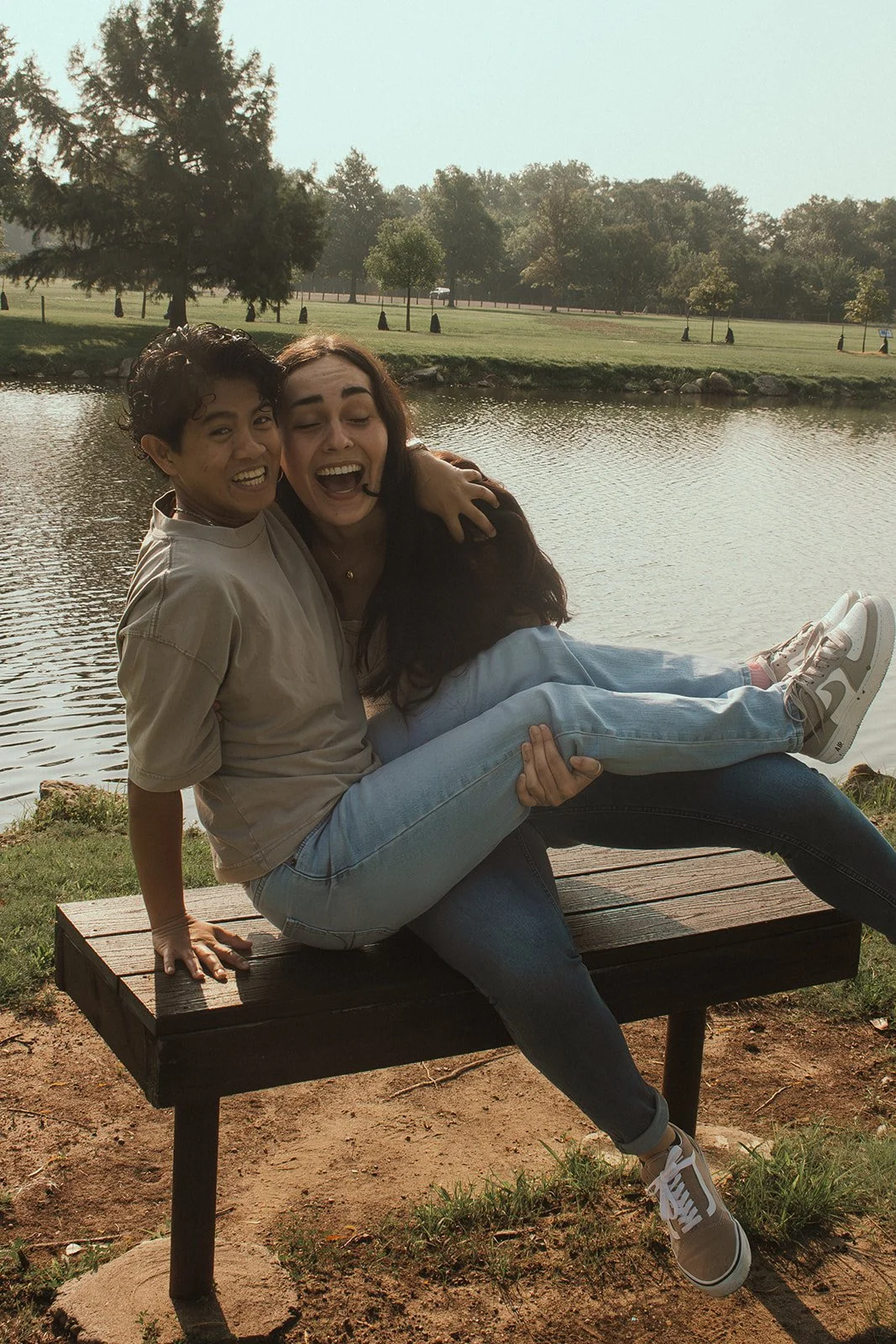
When photographers rely on these defaults, clients who don’t fit them are left feeling unsure, exposed, or like they’re doing something wrong. When you’re posing them, remember, they are just people, so often as photographers, posing is framed as very gendered, but you can (and should) use any pose you’d use for a straight couple, for a queer one. They are two people in love, pose them like it.
Inclusive posing means:
Letting clients lead with what feels good in their bodies
Avoiding language that assigns roles based on gender
Offering prompts that invite connection, not performance
Staying flexible instead of forcing symmetry or balance
Your job isn’t to make people fit the frame. It’s to let the frame adapt to the people in it.
Inclusion Requires Ongoing Work
One of the biggest misconceptions about inclusivity is that it’s something you achieve once.
It’s not.
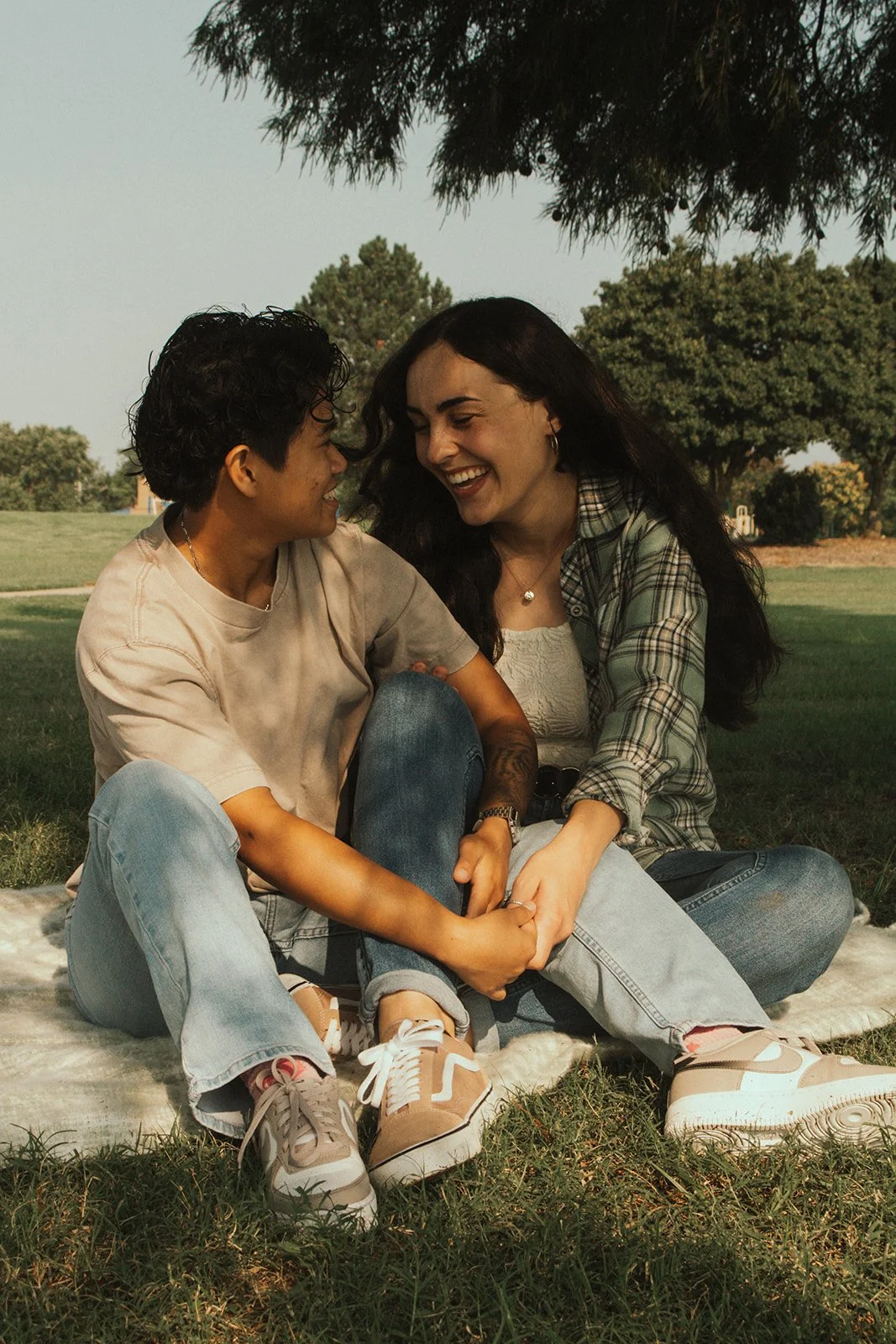
Inclusive photography is a practice. It evolves as language evolves. It deepens as you listen, learn, and stay open to feedback, even when it’s uncomfortable.
That might look like:
Updating your forms and contracts regularly
Rethinking how you describe your ideal clients
Listening when someone tells you something didn’t land
Admitting when you don’t know and committing to learning
This doesn’t make you less professional. It makes you trustworthy.
Clients Can Feel the Difference
People know when inclusion is real.
They feel it in the way you respond to inquiries.
They feel it in how you guide a session.
They feel it when they don’t have to explain or defend themselves.
And when clients feel safe, seen, and respected, it changes everything. The energy softens. The connection deepens. The photos reflect something honest—not just aesthetically pleasing, but emotionally true.
That’s not a checkbox. That’s the work.
Why This Matters—for You and Your Clients
Inclusive photography isn’t about being perfect or saying all the right things. It’s about choosing intention over assumption. Curiosity over comfort. Care over convenience.
When you commit to that:
You attract clients who align with your values
You build a reputation rooted in trust, not trends
You create work that feels meaningful, not just marketable
And most importantly, you contribute to an industry where more people get to see themselves reflected with dignity and joy.
That’s not extra.
That’s the point.
Want to add more inclusive, intentional work to your portfolio—without tokenizing or performing inclusion?
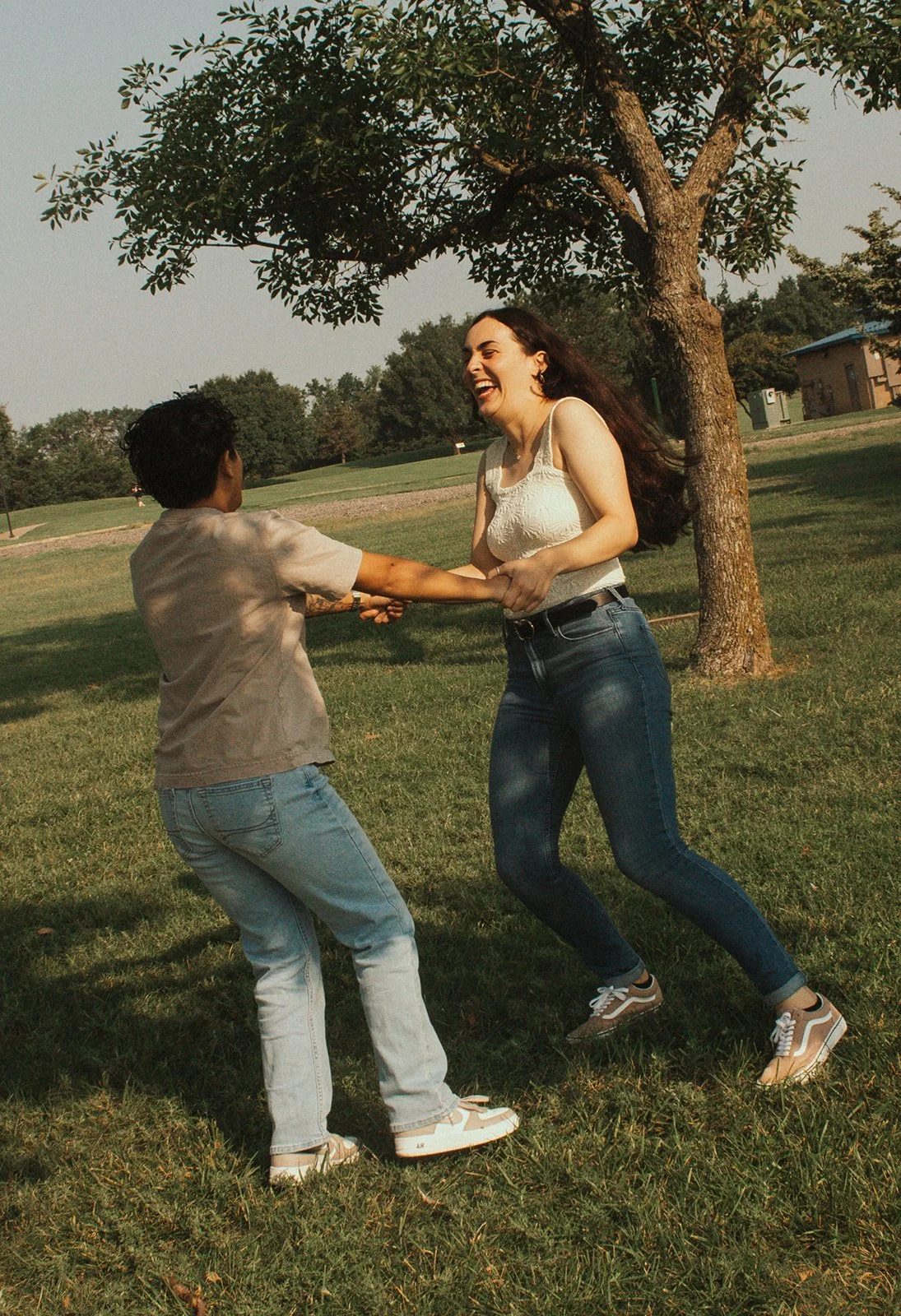
Desert Haze is an inclusive, queer-centered styled shoot experience designed to help photographers expand their portfolios and their perspective. You’ll walk away with images that reflect a wider range of bodies, identities, and connection plus the tools to approach future clients with more care and confidence.
Spots are limited.
→ View Desert Haze details & apply