The Perfect Wedding Day Timeline
Highlights:
Why your wedding timeline determines how your day feels, not just when things happen
How a first look creates space for cocktail hour, sunset portraits, and a relaxed reception
The importance of buffer time when getting ready in separate locations
How to structure your ceremony, speeches, and first dances for natural flow
Why protecting golden hour is one of the best decisions you can make
Read Time: 8 minutes
Topics: Wedding Day Planning, First Look Timeline, Wedding Photography Tips, 10-Hour Wedding Coverage, Sunset Portraits
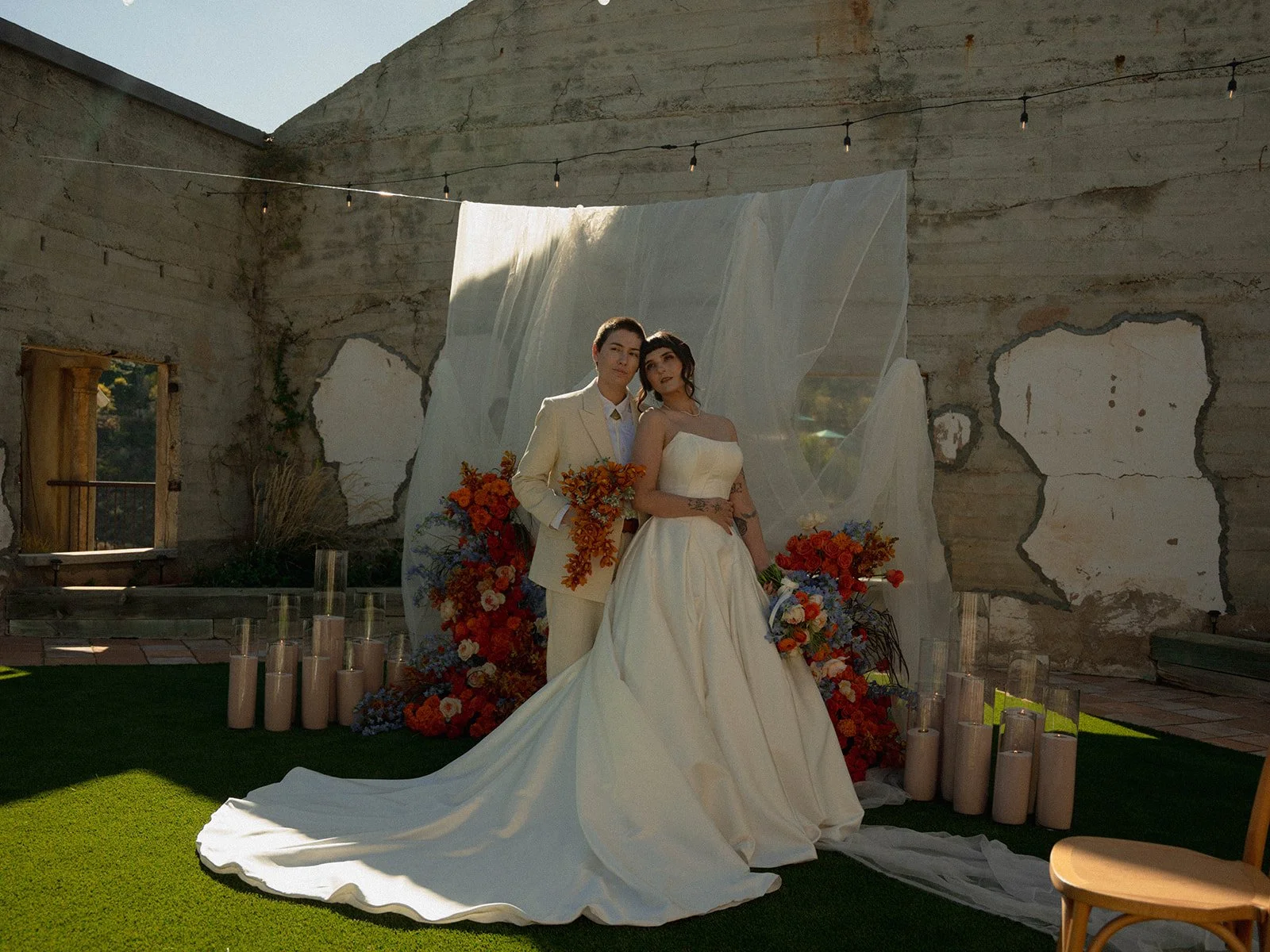
Obviously, your perfect wedding timeline is going to look different based on sooo many factors. Are you getting ready together or separately? First look? Cocktail hour? First dances?
There’s no one-size-fits-all schedule.
But if you’re planning a 10-hour wedding day with two separate getting ready spaces, a first look, a 30–45 minute ceremony, speeches, sunset portraits, and a full reception, this is a balanced timeline that keeps things calm, intentional, and enjoyable.
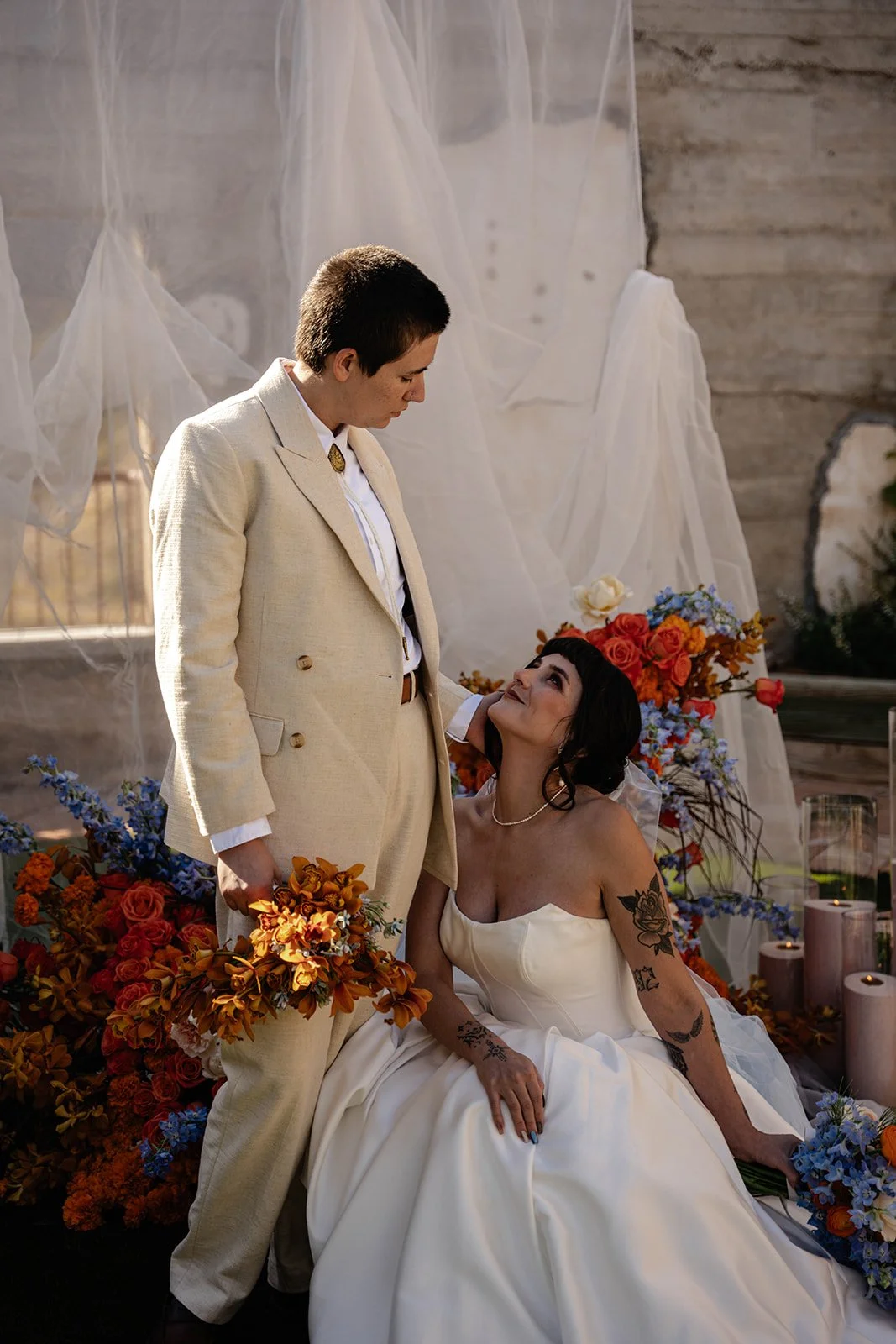
Getting Ready (12:00- 2:00 pm)
Since you’re getting ready in two different spaces, we’ll allow enough time to document both sides fully. My second shooter will be capturing one partner, and I’ll capture the other!
What happens here:
Detail photos (invitations, rings, shoes, heirlooms)
Hair and makeup finishing touches
Getting dressed
Candid moments with your people
Individual portraits
Giving this part of the day two full hours prevents it from feeling rushed. You want room for laughter, music, maybe a happy tear or two, not someone yelling about the timeline.
Pro tip: Have as much set out BEFORE the wedding day as possible. Set out your details so we can grab and go, steam your dress and make sure your jewelry is all together the night before. It will cut out a LOT of unnecessary stress on the day
Travel + Buffer Time (2:00-2:30 pm)
Even if locations are close, we will plan for plenty of transition time. There’s nothing worse than running down the hall in your dress or waiting forever on an elevator and getting behind. This means small delays don’t turn into big stress.
First Look + Vows (2:30pm - 3:00pm)
Your first look is one of the most grounding moments of the entire day.
It gives you:
A private, emotional reveal with your partner
Space to settle nerves
Portraits while you’re freshly ready
Choosing a first look also opens up your timeline so you’re not cramming all portraits into cocktail hour. You’ll get to actually hang out with your guests!
Wedding Party + Immediate Family Photos (3:00-4:00pm)
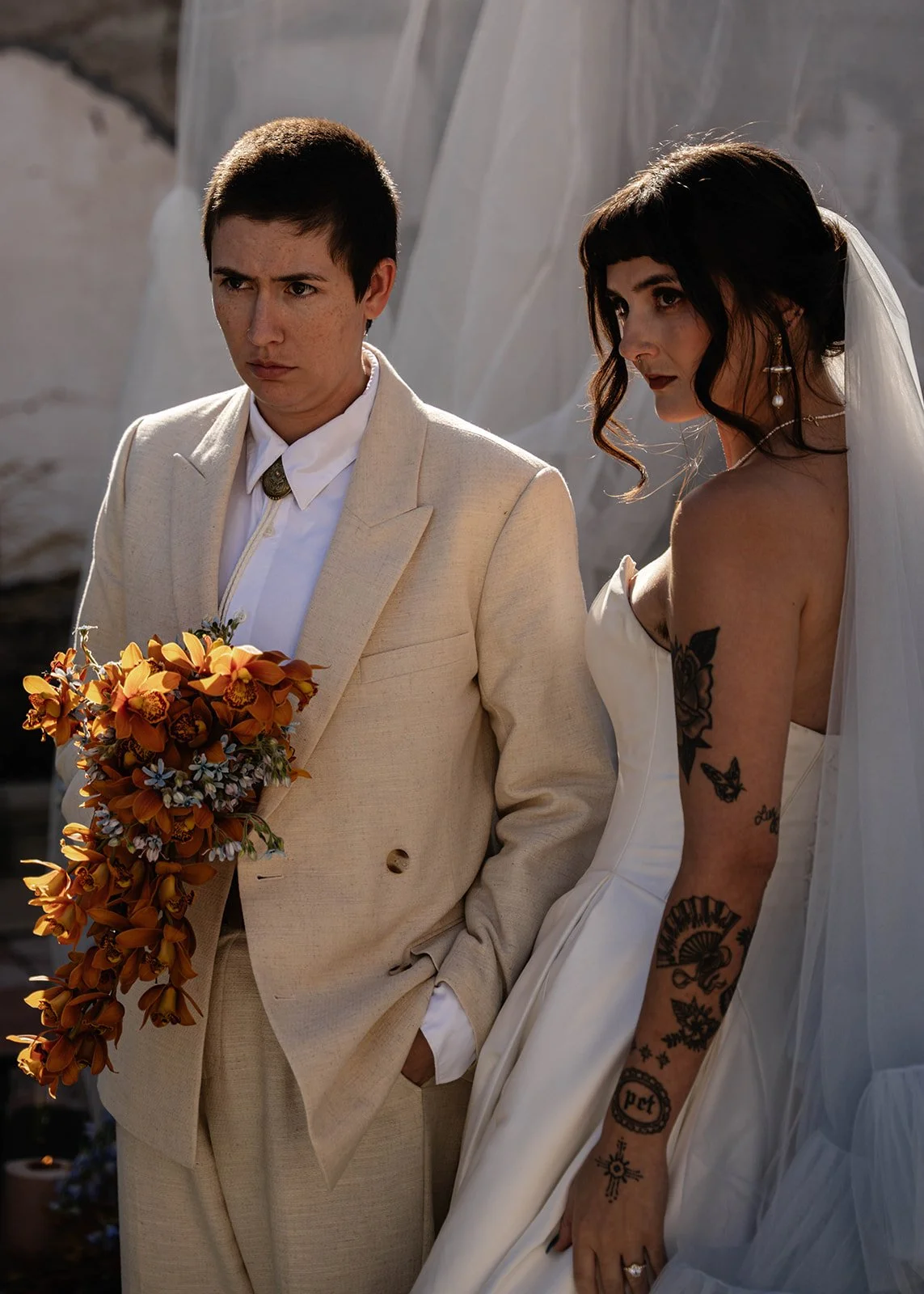
Because we’ve already done the first look, we can complete:
Full wedding party photos
Individual bridesmaids and groomsmen
Immediate family portraits
This is the key to actually attending your cocktail hour later.
Reset + Guest Arrival (4:00 – 4:30 pm)
You tuck away. Take a breath. Guests begin arriving. Music starts.
This little pause is powerful. It allows the anticipation to build again before you walk down the aisle.
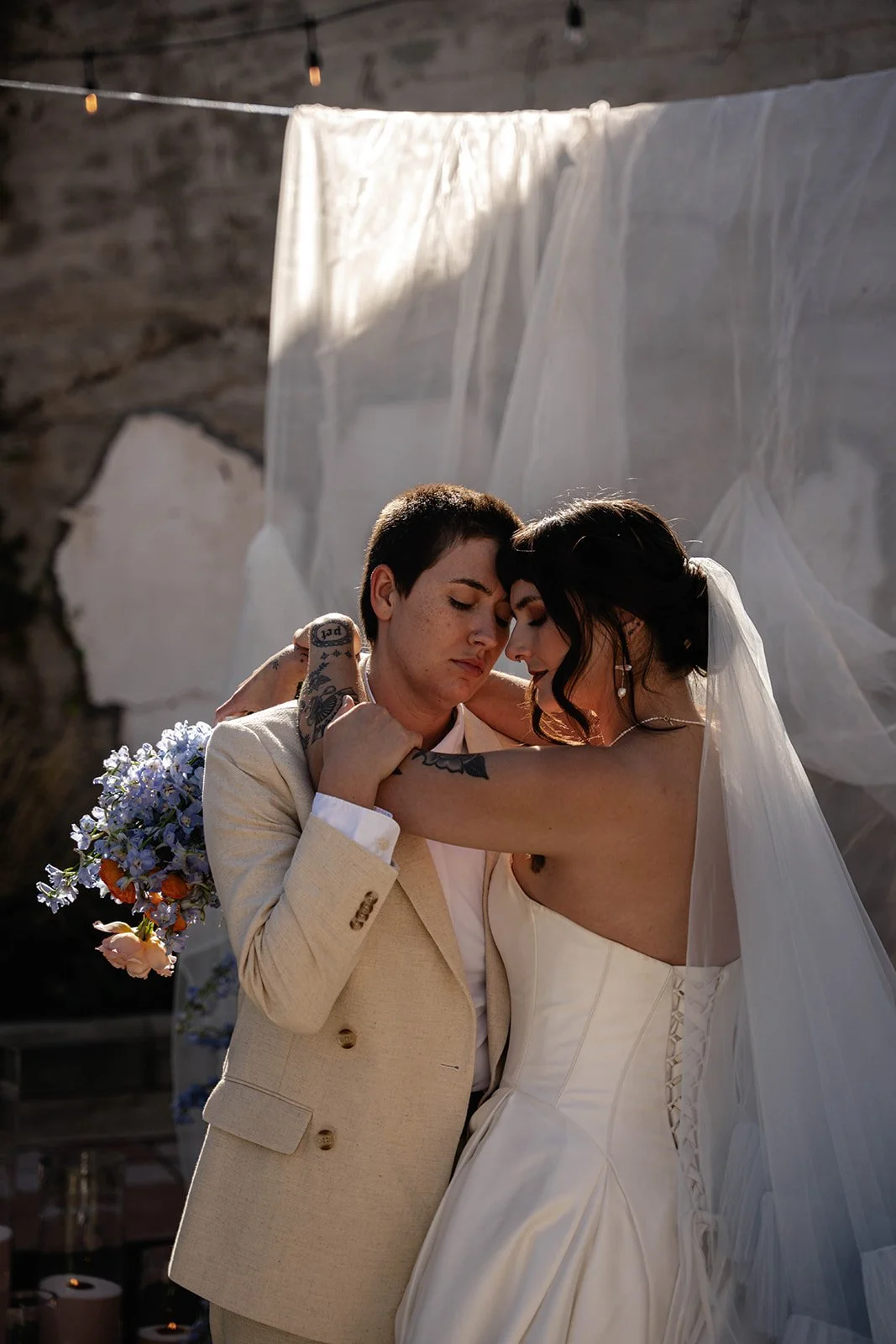
Ceremony (4:30 – 5:15 pm)
A 30–45 minute ceremony gives space for:
Processional
Readings
Personal vows
Ring exchange
Recessional
Afterward, we’ll capture a few just-married portraits before you head into cocktail hour.
Cocktail (5:15 – 6:15 pm)
Because portraits were handled earlier, you get to:
Hug your people
Eat the appetizers
Soak in the atmosphere
Actually experience your wedding
If needed, we can use the first 10–15 minutes for any extended family groupings.
Reception Entrance + First Dance (6:15 - 6:45 pm)
A smooth flow looks like:
Grand entrance
First dance
Welcome toast
Dinner service begins
Starting dances early keeps energy high and ensures beautiful photos before the room gets too dark.
Dinner + Speeches (6:45 - 8:00 pm)
Spacing speeches between courses keeps guests engaged and avoids a long block of back-to-back toasts.
A balanced structure might include:
One speech before dinner
One or two during
Final toast before the dance floor opens
Sunset Portraits (7:30- 8:00 pm)
Golden hour is non-negotiable if you love warm, romantic imagery.
We’ll step away for 15–20 minutes, just the two of you. No wedding party. No distractions.
These are usually the portraits that end up framed in your home.
Open Dancing + Party (8:00 - 10:00pm)
Parent dances (if not done earlier)
Cake cutting
Open dance floor
Candid guest moments
Optional night portraits
The final stretch of the night is pure celebration.
Final Thoughts on Creating Your Perfect Wedding Timeline
At the end of the day, your wedding timeline should support you — not control you. It should create space for meaningful moments, protect time for portraits you’ll treasure forever, and allow you to actually enjoy the people you invited into this once-in-a-lifetime celebration.
When your day is structured intentionally, everything feels smoother. You’re not rushing through your first look. You’re not missing cocktail hour. You’re not squeezing sunset portraits into five frantic minutes. You’re present. And that presence is what makes your wedding unforgettable.
The right timeline doesn’t just help your photographer — it protects your experience.
Ready to Plan a Wedding Day That Feels Effortless?
If you’re dreaming of a wedding day that feels relaxed, romantic, and beautifully organized from start to finish, I’d love to help you build a timeline that truly fits you.
Every couple is different. Your priorities matter. And I work closely with my clients to create custom timelines that protect your golden hour, your quiet moments, and your celebration time — so nothing feels rushed or overwhelming.
If that sounds like exactly what you want, let’s start planning.
Inquire here to reserve your date and begin designing a wedding day that feels as good as it looks.